
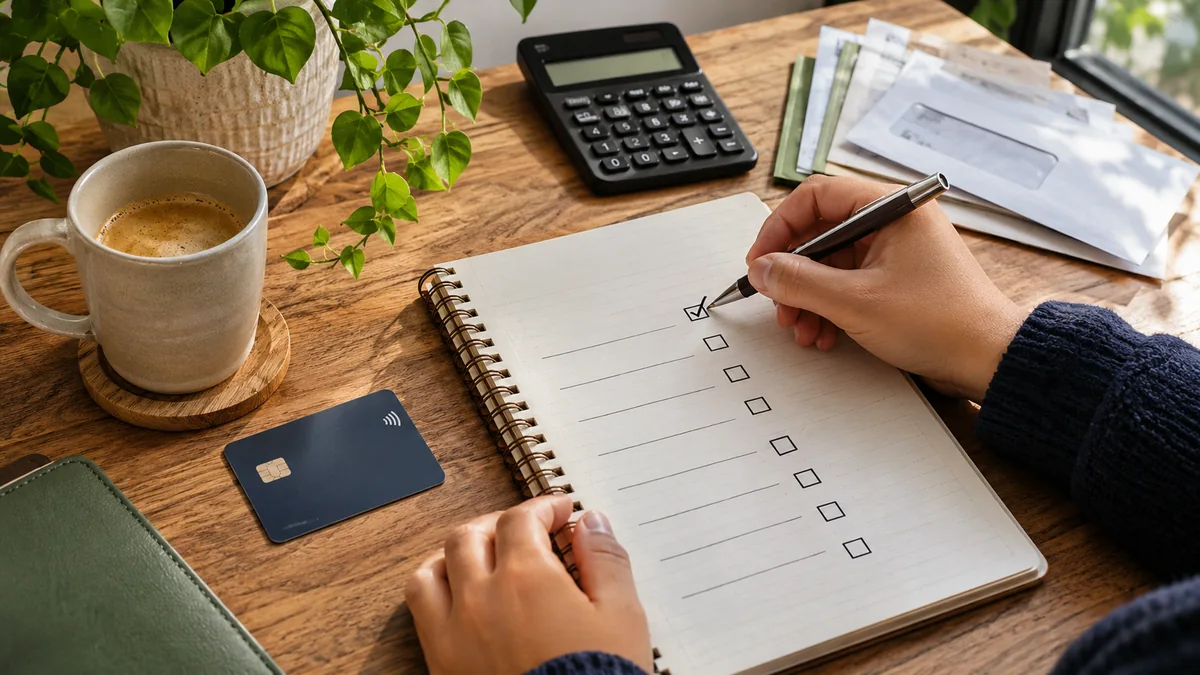
Once you have established a credit history, the challenge changes: you need a repeatable way to keep payments current, manage balances and catch reporting errors. Maintaining good credit is less about chasing a perfect number than building reliable financial habits. This U.S.-focused monthly checklist explains which actions are worth your attention, how to measure them and what to do when something goes wrong.
What maintaining good credit actually means
Credit scores are calculated from information in your credit reports, but scoring models differ. Lenders may also consider income, debt obligations and their own underwriting standards. A strong score cannot guarantee loan approval or the lowest advertised rate. The most useful goals are simple: avoid missed payments, keep revolving balances affordable, borrow only when necessary and review the information reported about you.
If you have no credit file yet, start with our guide to building credit from scratch. This article is for people who already have at least one account and want to maintain it, especially through a job change, a move, a new loan or an unexpected expense.
Your monthly credit maintenance routine
| When | Action | Why it matters |
|---|---|---|
| Every payday | Check upcoming due dates, bank balance and scheduled payments. | Prevents avoidable late payments and overdrafts. |
| Before the statement closes | Review card charges and balances against your spending plan. | Helps spot fraud and unexpectedly high utilization. |
| At statement delivery | Read each statement, confirm the minimum due and plan to pay in full when feasible. | Catches fees, errors and payment changes. |
| After payment | Confirm the transaction posted and save a receipt if there was an issue. | Autopay can fail; confirmation matters. |
| Every few months | Review reports from each nationwide bureau and investigate discrepancies. | Not every creditor reports identical information to each bureau. |
| Before applying for credit | Compare offers, total borrowing cost and your current obligations. | Prevents unnecessary inquiries and expensive borrowing. |
A calendar reminder and a basic spreadsheet are enough for many households. You do not need to buy a credit-monitoring subscription to maintain healthy habits. Some banks and issuers provide a free score, and the official free credit-report service is separate from commercial score products. Use our budgeting software comparison if you want help choosing a low-cost tracking method.
Pay on time without relying blindly on autopay
Payment history is a major factor in many credit scoring models. Set reminders several days before the due date and choose an automatic payment amount your checking balance can support. A minimum-payment autopay may protect against forgetting a due date, but it does not stop interest from accumulating on unpaid card balances. If you can, pay the full statement balance by the due date and verify that the payment posted.
If you anticipate a shortfall, contact the lender before missing the payment. Ask whether hardship assistance, a due-date change or another arrangement is available, and request written terms. A payment arrangement is not a guarantee that the lender will avoid negative credit reporting. If you already have high-cost balances, review the credit card debt payoff plan for a structured comparison of repayment methods.
Understand utilization with a realistic example
Credit utilization measures the balance reported on revolving accounts relative to available credit. Suppose Card A has a $2,000 limit and reports $400, while Card B has a $3,000 limit and reports $350. Combined reported utilization is ($400 + $350) ÷ ($2,000 + $3,000) = 15%. The ratio may vary by reporting date, and models may consider individual-card as well as total utilization. There is no magic threshold that guarantees a score.
The Consumer Financial Protection Bureau recommends keeping balances low and paying cards in full when possible. Do not deliberately pay interest or buy something unnecessary to manipulate utilization. A low reported balance can be useful, but preserving an emergency cash reserve and avoiding costly debt are more important than a temporary scoring fluctuation.
Review reports and dispute real errors
Use AnnualCreditReport.com to access the three nationwide credit bureaus’ reports; the current online program permits free weekly access. Compare account names, balances, payment status, dates, addresses and inquiries. Your own request for a credit report does not reduce your score. Different reports can vary because lenders do not necessarily report to every bureau at the same time.
If you see an unfamiliar account, investigate possible identity theft promptly. For an incorrect late payment or balance, gather statements and payment confirmations, then dispute the item with both the bureau and the company that supplied it. The FTC provides free dispute instructions. Keep a log of dates, copies of evidence and written responses. Accurate negative information generally cannot be removed simply because you dislike it.
Should you keep an old credit card open?
Closing a card may reduce your total available credit and increase utilization, and it can change how the account contributes to your credit history over time. That does not mean you should keep an expensive or unsafe product forever. Compare the annual fee, fraud risk, temptation to overspend, card benefits and whether a no-fee product change is available. Do not keep a card open solely for a scoring myth when the financial cost is material.
Similarly, applying for several new cards in a short period may create multiple inquiries and new accounts. A single new account can be reasonable if it meets a real need and the terms are affordable. Evaluate the full APR, fees and repayment schedule rather than the promotional headline. If you are trying to reduce debt, use the first-week debt action checklist instead of taking on another account by default.
When your score falls unexpectedly
- First check whether the score came from the same bureau and scoring model as the previous number; different models are not directly comparable.
- Review recently reported balances, payments, new accounts, closed accounts and credit inquiries.
- Verify whether an automatic payment failed or a lender changed a reporting date.
- Get the underlying credit reports and dispute information that is demonstrably inaccurate.
- If the drop reflects accurate information, focus on consistent future payments and affordable balances rather than paying for a quick-fix service.
Credit improvement takes time, and the timing of changes varies. A score can fluctuate without any financial crisis. What matters is whether the underlying reports are accurate and whether your borrowing costs and monthly cash flow remain manageable.
A 15-minute quarterly review
Once per quarter, write down your open credit accounts, interest rates, fees, limits, reported balances and next due dates. Check that beneficiaries or emergency contacts are up to date where relevant. Look for products you no longer need and identify one action that reduces financial risk. For example, you might automate a minimum payment, move a bill’s due date closer to payday or pay down a costly revolving balance.
Record the review in a simple worksheet: account, reported balance, limit, APR, next due date, autopay status, discrepancy and next action. Keep the sheet private; do not store full account numbers or passwords in a shared document. The goal is a system you can repeat, not a dashboard that demands daily attention.
Frequently asked questions
Does checking my own credit score hurt it?
Checking your own score or report is generally a soft inquiry and does not lower the score. Applying for a new loan or credit card may create a hard inquiry.
Should I carry a small balance to keep my credit active?
You do not need to pay interest by carrying a balance. A small purchase paid on time and in full can show activity when the issuer reports it.
What credit utilization percentage should I target?
Lower utilization can be helpful, but no single percentage guarantees a result. Focus on affordable balances and paying in full where feasible; scoring models may differ.
Will closing an old credit card ruin my credit?
Not necessarily. Closing a card can affect available credit and utilization, but the outcome depends on your full profile. Compare costs, risks and alternatives before deciding.
How often should I check my credit reports?
Review reports regularly and before major credit applications. Free weekly online access is currently available from the three nationwide bureaus through the authorized site.
Primary sources and limitations
This is general educational information for U.S. consumers, not individualized financial advice or a score guarantee. Sources checked: CFPB: Understand your credit score; CFPB: Get and keep a good credit score; FTC: Free credit reports; FTC: Disputing errors. Verify lender-specific terms before making a decision.